
Written By
Maximiliano Aguirre
Published
October 28, 2026
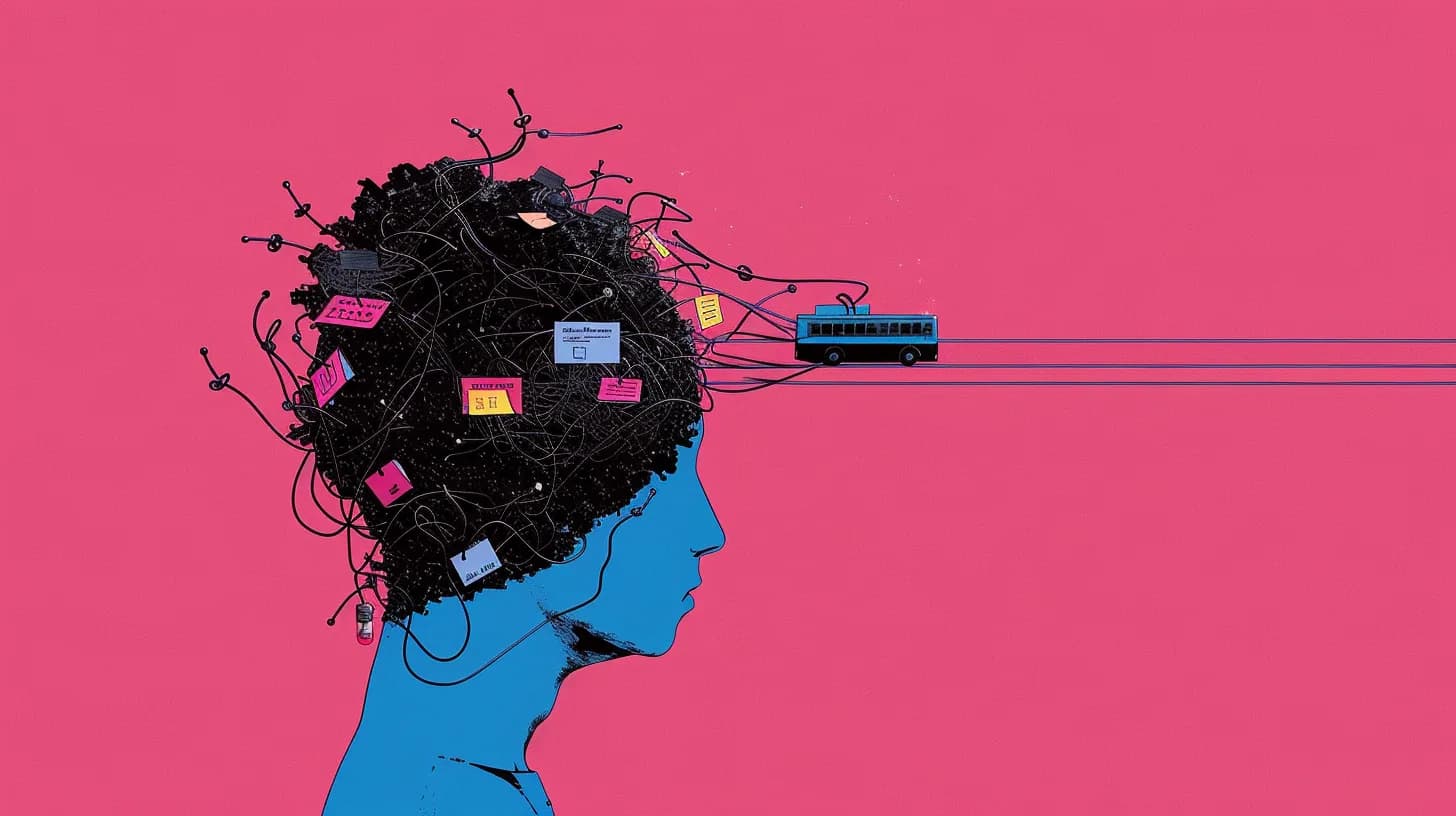
Almost every company has a version of this problem, even if they don't always call it that. There's a critical process—the one that builds the shifts, sets the prices, decides who serves which client—that in theory follows rules, but in practice only one person knows how to apply them well. That person isn't doing magic: they're holding, in their head, years of decisions and exceptions that were never written down anywhere.
We ran into a very concrete version of this problem at a corporate transportation company. They had more than 80 daily routes, each with its own driver and vehicle assignment. Scheduling that operation—deciding who drives what, on which route, every day—depended entirely on one person who held all that complexity in memory and entered it by hand into an Excel spreadsheet with no formulas and no validations.
The risk here isn't only operational. It's twofold. First, any mistake goes straight into the service: a misassigned driver hits the client with no filter in between. Second, and more serious in the long run, the whole company is at the mercy of that person being available. If they're out, if they leave, if they simply have a bad day, the knowledge isn't anywhere else.
The most common mistake when facing this kind of problem is jumping straight to technology: "let's build an app to replace the spreadsheet." But an app solves nothing if the rules it has to apply still live only in someone's head.
The first step here wasn't technological. It was discovery: sitting down to document every rule that governed the scheduling, and—the step that really matters—classifying them by hierarchy. Which ones are non-negotiable, and which are preferences that can give way when needed. Without that classification, any automated system ends up either too rigid for the real world or too loose to be trusted.
Only once those rules were explicit and ranked did it make sense to build the software. An application that learns, as it's used, which driver usually goes with which vehicle and which route, and that today generates the full schedule for more than 80 routes with a single click.
The most important outcome of this project isn't speed, although the difference there is huge too: what used to take a full day now gets done in minutes. The most important thing is something else: today, three different people at the company can do that work without errors, because the knowledge stopped being tacit and became part of the system as explicit rules.
That's the real problem documenting and automating a critical process solves: it isn't just about saving time. It's about no longer depending on one person who can never get sick, never leave and never have a bad day.
If your company has a critical process that only one person knows how to do well, you probably don't have a process—you have a risk.
© 2026 - Renaiss with love